
Your Second Time in Shibuya Is All About Preparing for Heat and Cold: Tips for Enjoying Street Kart Again with a Group of Mixed Ages
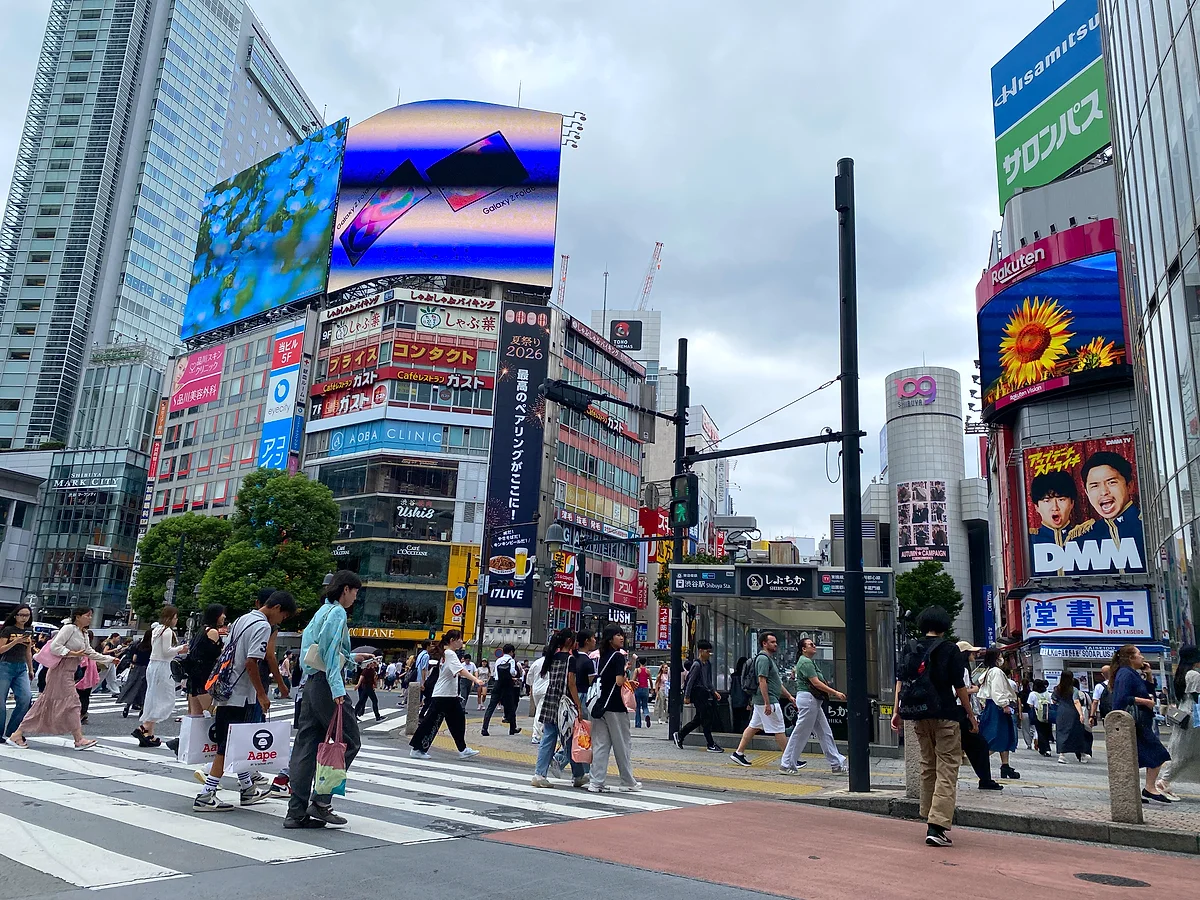
Your Second Time in Shibuya Is All About Preparing for Heat and Cold: Tips for Enjoying Street Kart Again with a Group of Mixed Ages
"That was fun. But honestly, it was a bit too hot." "By the end, I couldn't feel my fingertips."
When your first Street Kart tour ended, did someone in your group say something like this outside the shop? They were probably laughing, but they also meant it a little.
Riding through Shibuya so close to the ground probably left you with good memories. Even so, you can do the second time a little better, and the key is preparing for the weather. Which season will you ride in? Where will you cool down or warm up before and after the tour? How will the people who drive and the people who don't spend their time? Rethink just these three things, and the same Shibuya will feel quite different.
This article is for groups with a wide range of ages and fitness levels. It's about heat and cold, and how to enjoy your second time in Shibuya without overdoing it.
Do You Remember Why You Felt "Too Hot" or "Too Cold" the First Time?
Let's start by looking back at your first ride. Street karts have low seats and no roof. In summer, heat from the asphalt rises right up at you. In winter, wind rushing between the buildings hits you head-on. You might not notice the temperature from a bus or train window, but on a kart, your body feels all of it.
Taiwanese summers are heavy with humidity. Tokyo summers are also hot and muggy, and Shibuya, surrounded by buildings and roads, tends to trap heat. Visitors from Taiwan often think, "It can't be worse than Taipei," but a Tokyo midsummer is tougher than it sounds. Some years bring long runs of extremely hot days, and lingering heat into September is not unusual.
Winter has its own character. Taipei's winter cold is damp, while Tokyo's comes with dry air and chilly winds. It can feel warm in the sun during the day, but the moment the wind hits you, it takes your body heat with it. On a kart, you're in that wind the whole time.
Who was struggling the first time, and at what point? Preparing for the second ride starts with remembering that. People with plenty of energy may be fine, but older companions can feel the heat or cold catch up with them later. Ask yourself, "Was everyone still smiling at the end?" Looking back that way, you'll often find it's quite clear what needs to change.
If you can, look through the photos from your first ride together as a group. Check the time each was taken, the color of the sky, who was wearing a jacket and who had their sleeves rolled up. Photos capture the heat and cold of the moment surprisingly well. "In this one, Grandma was already tired, wasn't she?" Conversations like that are the most reliable starting point for planning your second ride.
Riding in Summer? Beating the Heat with a Group of Mixed Fitness Levels
If you choose summer for your second ride, focus on what happens outside the tour. The tour itself follows a set route led by a guide, so that part isn't yours to change. What you can change is how you spend the time before you start and after you finish. Your group is free to plan that however you like.
First, don't walk around in the blazing sun right before the tour. The first time, some of you may have packed the day full: crepes on Takeshita Street, photos at the Scramble Crossing, then off to the shop. That's completely understandable. But do that in summer, and you'll be worn out before you even get on the kart.
The Shibuya store and Shibuya Annex are in almost the same spot, about a 10-minute walk from Shibuya Station and about 5 minutes from Shinsen Station. On a midsummer day, coming from Shinsen Station is worth considering. There's a convenience store within a 5-minute walk of each store, so buy a drink before you start and take in some water, even just a sip at a time. Sunscreen (防曬 in Chinese) is also on the list of things to bring in summer. Before heading out, it helps to check with each other that everyone has put some on.
The official website has guidance on what to wear. Read it once before you go. Even if you dress the way you did last time, a different season can make the same clothes feel completely different.
Be ready for rain, too. According to the official guidelines, tours run as scheduled in light to moderate rain, and raincoats are provided free of charge. Tours are canceled in heavy rain or typhoons, and the options offered include a shortened tour (with the difference refunded), rescheduling, or a full refund. Wearing a raincoat on a hot, humid, rainy day tends to trap heat inside. Bringing a light shirt to change into after the ride will make you feel much better. The stores have lockers for small items, but they aren't suitable for large luggage such as suitcases. Pack your change of clothes and towel in a smaller bag. Weather policies can change, so check the official website for the latest details.
Decide Where to Cool Down Before the Tour
The single most useful thing in summer Shibuya is deciding in advance where you'll cool off before meeting up. Near the station, both Shibuya Hikarie and Shibuya Scramble Square are about a 10-minute walk from the store. These big buildings are full of shops and restaurants, so they're ideal for having lunch while you stop sweating.
Older companions can rest there at their own pace while the more energetic members head off first to take photos at the Scramble Crossing. Splitting up like that works fine. Once you accept that everyone doesn't have to do the same thing, summer Shibuya gets much easier. When traveling, it's tempting to think "let's all stay together," but in a Japanese summer, splitting up a bit actually keeps everyone in better shape.
That said, stepping straight from a well-air-conditioned building into the blazing sun can sometimes leave you feeling sluggish. Leave the building a little before meeting time, walk slowly, keep to the shade, and let your body adjust to the outdoor air. Match your walking pace to your older companions.
When you finish riding, take a breather somewhere cool first. Just waiting until you've stopped sweating before moving on to your next plan makes a real difference to how tired you feel later in the day.
In Winter Shibuya, It's All About Protecting Your Fingertips and Neck
If your first ride was in summer, trying winter for your second might be a good idea. It's the season when the air is clear and the city's outlines look sharp. The light reflected in building windows and the zelkova trees lining Omotesando show a different side than they do in summer.
Winter, though, means dealing with the cold. You're in the wind the whole time you're riding, so it feels much colder than the actual temperature. The parts that get cold most easily are your fingertips, your neck, and around your ears. Anyone who felt "cold" the first time usually suffered in these areas.
The basic idea is to dress in layers you can adjust. However, for what you can and can't wear while driving, the safest approach is to check the dress guidelines on the official website. Look up gloves and jackets in advance too, rather than assuming.
The disposable heat packs called 暖暖包 in Taiwan are known as "kairo" in Japan. Having one in your pocket helps keep you warm before and after the tour. Bring an extra one for your older companions. If you quietly hand it to them while they're waiting or after they finish riding, they'll probably appreciate it.
Decide Where to Warm Up After the Tour
What makes the biggest difference on a second ride in winter is deciding where you'll warm up after you finish. If you head to your next stop while still chilled, tiredness can hit all at once, especially for older companions.
Another thing to decide is how you'll meet up right after the ride. With numb fingers, it's hard to use your phone's touchscreen, and even a "where are you?" exchange takes longer than it should. Where will the non-drivers wait? Once you leave the store, who will go where to meet whom? A quick word before you split up saves you from standing around outside the shop in the cold.
About a 10-minute walk from the store is Blue Bottle Coffee Shibuya. Warming your hands on a hot cup while talking about the roads you just drove can turn out to be the part you remember most. If you want somewhere more relaxed to sit, try Shibuya Stream, about a 12-minute walk away. It's a complex along the Shibuya River with restaurants and cafés.
If your group wants to shop too, head to Shibuya PARCO (about a 10-minute walk). You can look for souvenirs while walking around indoors and warming back up. If anyone loves everyday goods and stationery, drop by LOFT Shibuya (about a 10-minute walk) as well. You might lose track of time picking out souvenirs for friends.
Splitting Up on Your Second Trip So Non-Drivers Have Fun Too
Because it's your second trip, it's worth considering the option that not everyone has to drive. The karts are single-seaters, so you can't take a passenger. Driving requires a valid license, and there are age requirements as well. Even if everyone could join last time, things may be different if the group has changed. Don't make assumptions about eligibility; always check the latest information on the official website. Details on driver's licenses are on the official driver's license page.
So how will the people who aren't driving this time spend their time? This is where Shibuya's sheer range comes in.
In a season when the heat has eased, visit Meiji Jingu, about a 20-minute walk from the store. A vast sacred forest that's hard to believe exists in central Tokyo, and a huge torii gate. The way the city noise fades the moment you pass through never gets old, no matter how many times you go. Nearby Yoyogi Park (also about a 20-minute walk) is another urban oasis. That said, being outdoors in midsummer is hard on older people. Decide based on the season and how everyone is feeling.
If you'd rather stay indoors, go to Shibuya Sky at Shibuya Scramble Square. Look down on the city from up high and try to trace where the karts might have just driven. The drivers and the watchers see the same city from different heights. I think that's a small luxury that comes with a second trip.
Before splitting up, it's also nice to watch the drivers get ready. The first time, some of you were the ones driving and too nervous to look around. Watching your companions get ready from the outside is fun in its own way.
When you meet back up, share the photos you took. The drivers have Shibuya from a low angle; the ones who waited have Shibuya from high above or from inside the forest. If you post on social media, using both Japanese and Chinese hashtags like "#渋谷", "#东京旅行", and "#東京自由行" might help your friends in Taiwan find your posts. Just take photos only when you're not driving. Using your phone while driving is dangerous, so save the photos for before and after the tour.
What Makes Street Kart Great: 5 Things You Notice the Second Time
The first time, you were probably busy just taking in the scenery in front of you. The second time, you have a bit more room to relax, and the service itself starts to come into view.
First, a guide leads the way. On every tour, a trained guide drives at the front, leads you along the route, and follows Japanese traffic rules. With the guide's back in front of you, on your second ride you have more room to pay attention to the scenery and the feel of the season. At least, that's how it feels to me.
Second, you take in the season's air directly. In a low, open seat, the wind hits your hands on the steering wheel and city sounds ring right next to your ears. Stifling heat in summer, wind that stings your cheeks in winter. That's why you need to prepare, but it also means you take in Tokyo in that season with your whole body. Choose a different season from your first ride, and even though it's the same city, you'll probably think, "I had no idea it could be this different."
Third, there's the scenery along the Shibuya routes. Tours from the Shibuya store and Shibuya Annex list highlights such as the area around the world-famous Shibuya Scramble Crossing, Harajuku's Takeshita Street, and Omotesando with its rows of zelkova trees. Spotting a building or sign on your second ride that you missed the first time is part of the fun.
Fourth, there's language. The website is available in 22 languages. On the day of the tour, guidance is basically in English; guidance in Japanese or other languages depends on the staff working that day and is not guaranteed. If anyone in your group isn't confident in English, it's a good idea to contact them in advance through the official website.
Fifth, there's the track record. As of November 2023, across all stores, they had run more than 150,000 tours, served more than 1.34 million customers, and received more than 20,000 reviews, with an average rating of 4.9 out of 5. They currently have 9 stores across Japan (7 in Tokyo, plus Osaka and Okinawa). Knowing how many people have driven these roads makes you want to trust them with your second ride too.
Booking and Checking Details: Do It Early, Especially the Second Time
Once your plan is set, it's time to book. Keep in mind that weekends tend to fill up quickly. Once you've chosen your dates, I recommend acting early. If you can make time on a weekday, consider that as an option too.
Facebook, LINE, and email are listed as ways to book. Check the official website for detailed steps. Prices vary by season and time of day, so check the official website (kart.st) for the latest information. Eligibility requirements, dress rules, and weather policies may also have changed since last time. Once you've done it before, it's easy to think "it'll be the same as last time." Reviewing the latest information before you go is, I think, the right way to approach a second ride.
For the heat, decide where you'll cool down. For the cold, decide where you'll warm up. Split Shibuya between those who drive and those who watch. Do just that, and a Shibuya you didn't see the first time will be waiting for you.
So, which season's wind will you ride into next? Start by checking the latest information on the Street Kart official website, and then begin planning your second ride together.
This article was originally written in Japanese and translated using AI. Some expressions may read unnaturally, and we appreciate your understanding. For the most accurate and up-to-date information, please refer to the official site at kart.st.
Street Kart is not affiliated with Nintendo or the Mario Kart series in any way. We do not provide costumes of Nintendo characters, and such costumes may not be worn during tours even if brought by participants.